

Blog

What Is Generational Trauma? Causes, Examples, and Breaking the Cycle
Generational trauma is trauma that extends from one generation to the next. We review some examples and discuss how to break the cycle of generational trauma.

The Importance of Going After What You Want
Our thoughts and feelings influence our behavior (and vice versa), and if you believe you can achieve a goal, you are more likely to put in the work to achieve it.

DBT for Teens: What is it and How does it Work?
Dialectical Behavior Therapy or DBT for teens can effectively treat a range of mental health concerns including depression, anxiety, and substance abuse.

High Functioning Anxiety: Causes & Treatment
High-functioning anxiety refers to the experience of appearing confident, organized, and well-functioning on the outside while feeling internally anxious.

Understanding and Treating Emetophobia
Emetophobia is the fear of vomit or vomiting. Many people with emetophobia experience an intense fear of throwing up which can include seeing vomit, being around someone who is vomiting, or vomiting themselves.

Leaning in to Slowing Down
Our society rewards productivity, and it is common to push ourselves constantly. The harmful effects of not slowing down can be insidious…

Understanding Pathological Demand Avoidance
Pathological Demand Avoidance (PDA) involves avoiding everyday demands or tasks typically due to feeling anxious about them.

Big T vs. little t Trauma
When discussing trauma, some people talk about Big T trauma and little t trauma. Here's how they differ and the potential effect they can have on you.

Promoting Perseverance
Perseverance is the ability to be persistent even when things are difficult, or there is no immediate success—in other words, to keep going. Perseverance can help you reach a meaningful goal, is an important predictor of achievement, and is a way to build self-confidence and a sense of capability.

Stretching Distress Tolerance
It is natural to want to avoid unpleasant or uncomfortable feelings and physical sensations, to think of them negatively, or to try to make them go away. For example, if I feel embarrassed, I might think, “I hate feeling this way.” Or, if I feel anxious or am in physical pain, I might think, “This feels awful. I need it to go away.”

All-or-Nothing Thinking
All-or-nothing thinking is a typical and common unhelpful thinking pattern that categorizes things into one of two extremes: in other words, all or nothing.

What is Cleithrophobia?
Cleithrophobia is the fear or phobia of being trapped. The term comes from the Greek word cleithro which means to shut or close. People with cleithrophobia may feel fear when they are locked in a small space such as a bathroom stall.

Anticipatory Anxiety
Anticipatory anxiety refers to the anxiety you experience when you fear something negative is going to happen. It is anxiety about the future, about what could happen, not what is currently happening.

What is Contamination OCD?
Contamination OCD is a type of obsessive-compulsive disorder (OCD) that causes individuals to obsess over the idea of being contaminated, contracting an illness, or the spread of germs.
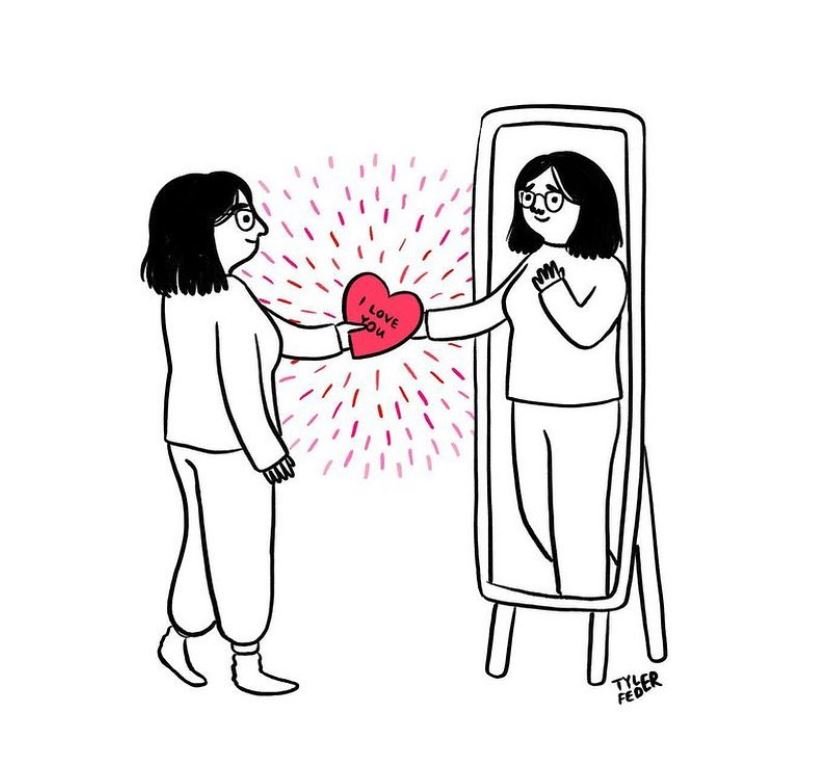
Cultivating Unconditional Self-Acceptance
Unconditional self-acceptance and worth are distinct from our abilities, accomplishments, or appearance. Self-acceptance is a practice that includes reframing negative thoughts and practicing personal values. It's a skill you can practice and strengthen over time.

What is Gaslighting and How to Respond to it?
According to Dr. Elisabeth Kubler-Ross, everyone experiences five stages of grief. Understanding these stages may shine some light on emotions you may be experiencing after a loss.

What Are the Stages of Grief?
According to Dr. Elisabeth Kubler-Ross, everyone experiences five stages of grief. Understanding these stages may shine some light on emotions you may be experiencing after a loss.

Stop Trying To Keep Up With The Joneses
It is natural to compare ourselves to others and to get caught in a mental comparison loop, and yet this seldom is beneficial. You may have heard the expression, “Comparison is the thief of joy.”

What is the Link Between OCD and Addiction?
There are several possible reasons for the link between OCD and addiction, such as a desire to decrease symptoms or the fact that both share similar risk factors.

How Does Mental Health Affect Physical Health
Mental health is comprised of emotional, psychological, and social well-being. It forms part of your overall mood, how you think, feel, and behave. Research demonstrates a strong relationship between mental and physical health, both of which are important components of our overall health.